
-
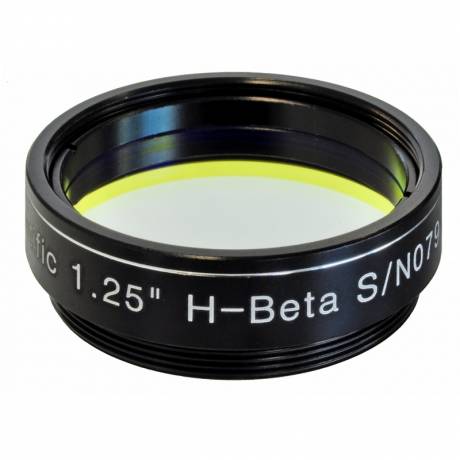
Филтър Explore Scientific H-Beta Nebula 1,25′
One of the most important obstacles for the exploration of the night sky is the brightening of the night sky by artificial lights, such as streetlights. The night sky is not really dark in the vicinity of towns or cities, which reduces the visibility of objects bejond the solar systems enourmously. Depending on the type…
€ 99,95 / 195,49 лв. -
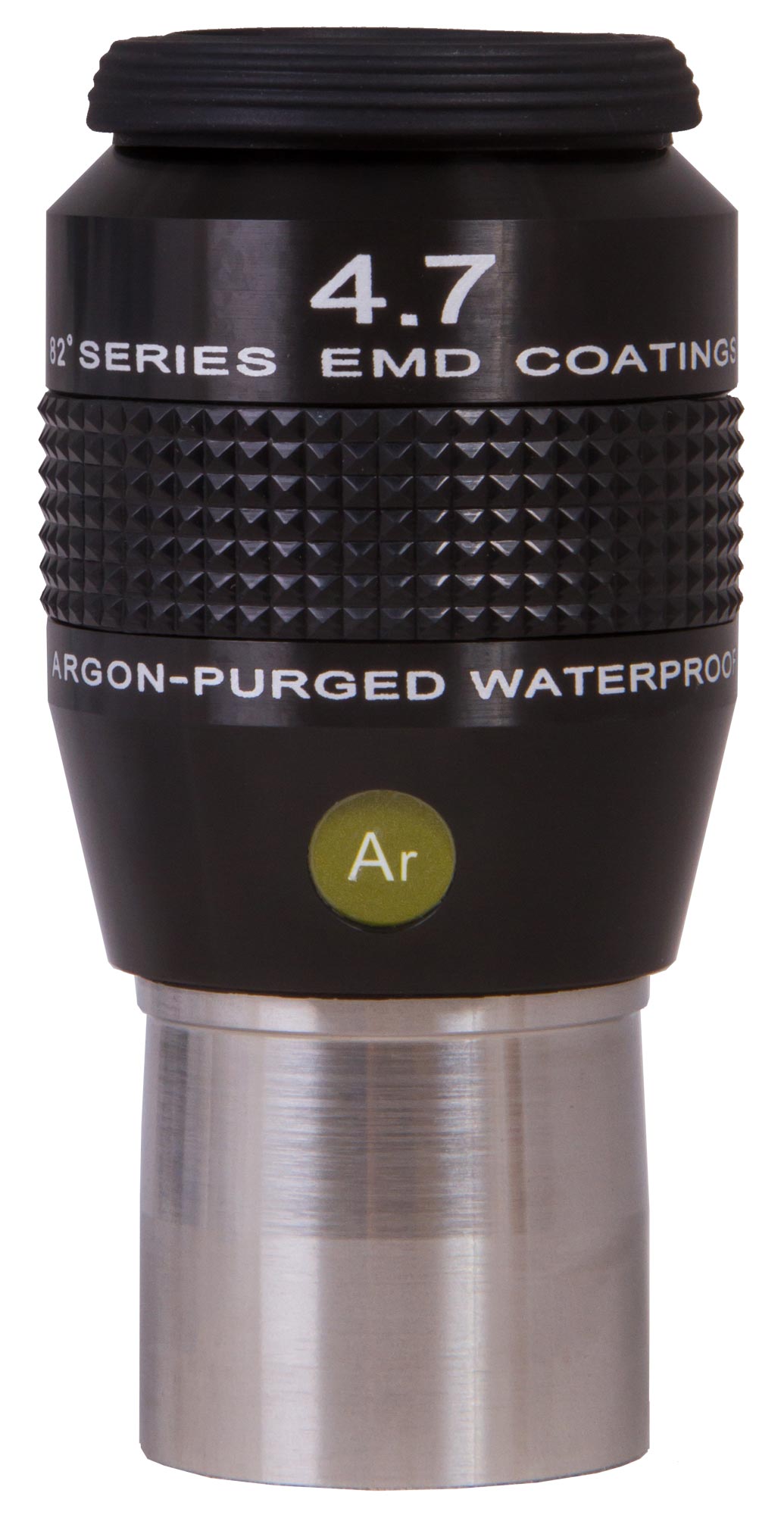
Окуляр 1,25′ Explore Scientific LER 82° 4,7 mm (AR)
Explore Scientific 82° 4.7mm extreme wide field eyepiece is optimized to produce high contrast, high resolution, and superior flat field characteristics.
€ 169,95 / 332,39 лв. -
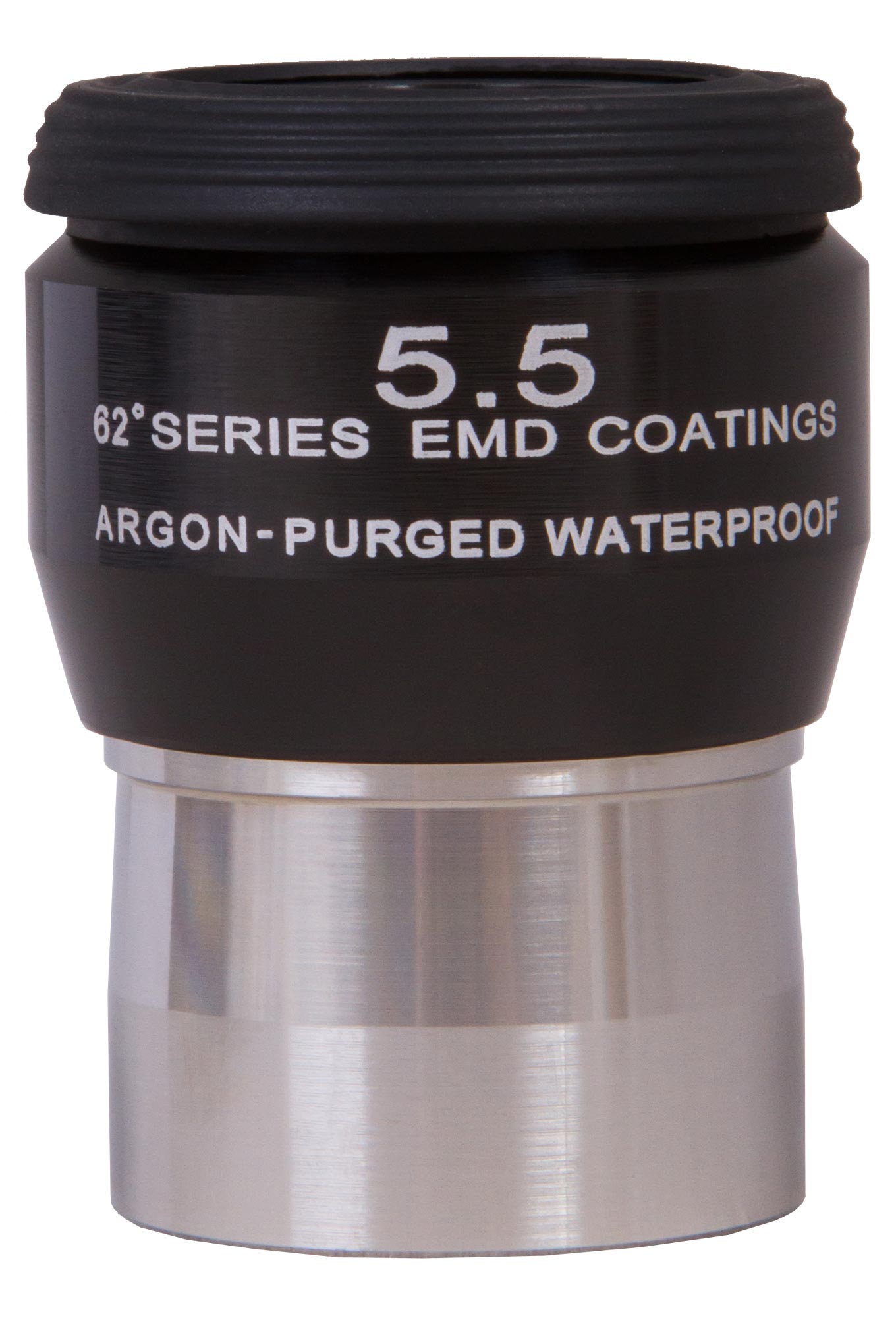
Окуляр 1,25′ Explore Scientific LER 62° 5,5 mm (AR)
The new 62° LER eyepieces by Explore Scientific do not only offer excellent image sharpness and high resolution and contrast over the full field of view – you can see that full field without problems even with glasses on. Fatigue due to tense head positioning and strained viewing simply does not happen because of the…
€ 109,95 / 215,04 лв. -
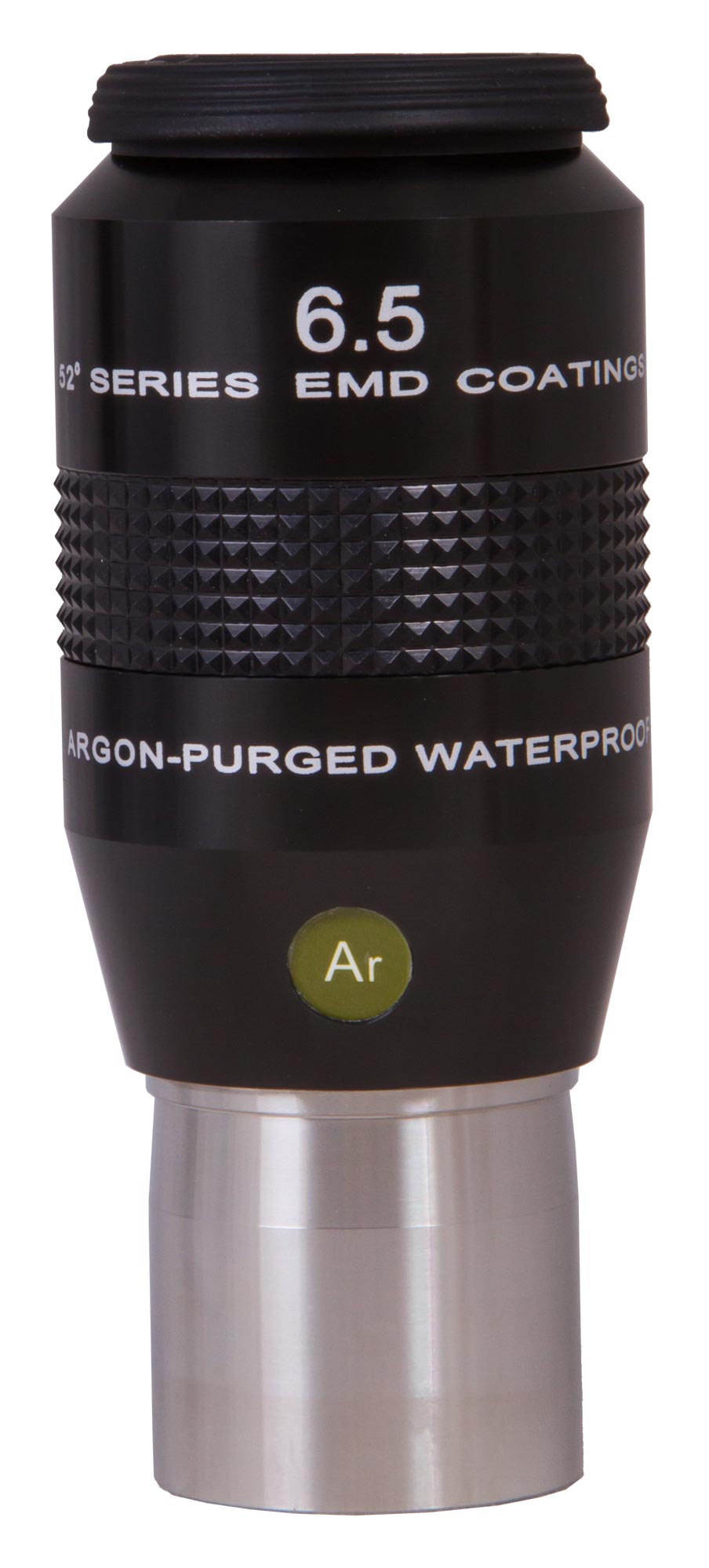
Окуляр Explore Scientific LER 52° 6,5 mm, 1,25′ (AR)
Solidly in the mid-magnification range for most amateur telescopes, the 25mm is a true workhorse for visual observers. If you love deep sky observing, eyepieces in this focal length range not only give healthy increases in magnification, but the contrast enhancement of giving a darker background sky can make all the difference of how galaxies…
€ 79,95 / 156,37 лв. -

Окуляр 1,25′ Explore Scientific LER 52° 4,5 mm (AR)
High power eyepieces (e.g. 3mm to 10mm) are used not only for obvious observations of planets and double stars, but can be employed for bright, compact deep sky objects. Not only will the scale of an object like a planetary nebula or globular cluster be impressive as it fills the eyepiece FOV, but the background…
€ 79,95 / 156,37 лв.